Complete Guide to Proper Dumpster Loading
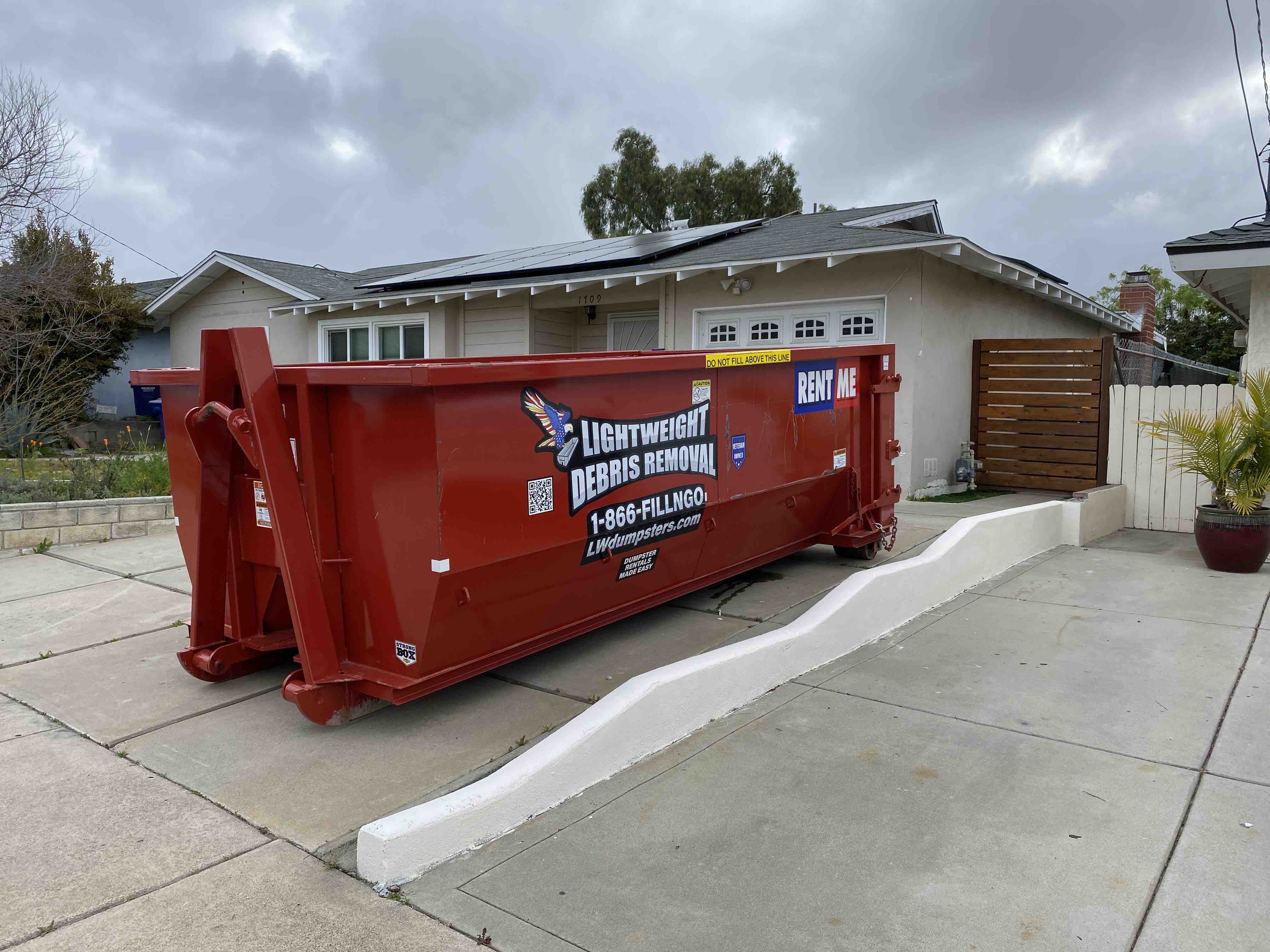
If you're managing a construction, renovation, or decluttering job, you might think dumpster loading is an easy step. However, how materials are arranged can greatly influence space efficiency, safety, and speed. Many people overlook the importance of proper dumpster loading, leading to wasted space, risks, and slower progress.
At Lightweight Debris Removal, we highlight that the way you load a dumpster matters as much as picking the right size. By staying organized, you can make the most of your dumpster and keep operations safe and smooth. We strive to help every customer make the best use of their dumpster service by teaching proper loading techniques that reduce mess, prevent breakage, and simplify disposal.
Organizing Before You Begin Loading
Before filling the dumpster, taking time to organize is essential. Evaluate the debris you plan to throw away and separate recyclables or items needing careful handling. This preparation helps streamline the process and saves time from having to rearrange materials later. It also makes handling safer by isolating hazardous or sharp materials.
Mapping out the order of loading matters just as much. Place heavier or bulkier items first to form a solid base. Afterward, lighter materials can be layered on top to fill in spaces. A well-thought-out plan helps avoid imbalance and instability once hauling begins. This approach improves both safety and efficiency throughout the job.
Smart Space Management for Dumpster Loading
Effective dumpsters near me for rent Vista CA space management is essential for optimal dumpster use. Disassemble big items—like cabinets or couches—before loading them. By flattening cardboard, detaching parts, and compacting items, you free up extra room. It helps you fit additional material without overcrowding or instability.
Layering materials is another useful trick for maximizing capacity. Use sturdy flat pieces as a bottom layer. Continue with smaller, lighter waste to fill the cracks and corners. Keep the load within the dumpster’s limits to ensure safe transport. Proper layering not only optimizes space but also enhances organization and safety.
Ensuring Safety While Loading a Dumpster
Safety must always come first when loading a dumpster. Protect yourself with gloves, proper footwear, and durable clothing to avoid harm. Make sure your workspace is clear of debris or uneven ground before lifting. Maintaining situational awareness prevents accidents and improves teamwork.
Avoid tossing items into the dumpster from a distance, because this might lead to unstable loads or dented surfaces. Handle items with care and arrange them thoughtfully. Seek help when lifting oversized objects to prevent strain or accidents. Prioritizing safety not only protects workers but keeps operations steady and efficient.
Sorting and Organizing Materials
Keeping materials sorted throughout the loading process is essential for maintaining efficiency. Keep comparable debris types—such as wood, metal, or general trash—segregated. This method improves the workflow and eases both the loading and dumping process. It also helps identify recyclable items, cutting down waste and supporting eco-friendly practices.
A tidy system helps you avoid reshuffling materials after they’re loaded. Place lightweight materials such as cardboard or fabric on top, while heavy objects go below. This keeps lighter waste from being blown away and maintains load stability. Consistent organization results in a faster, safer, and more productive cleanup process overall.
Preventing Property Damage During Dumpster Placement
While dumpsters are sturdy, the surfaces they rest on can be fragile. Use wooden beams or other protectors beneath to reduce stress on driveways and pavements. This easy precaution helps maintain the integrity of your property during the project.
Choosing the right placement location is just as important. Select a flat, accessible space that allows for smooth loading and avoids blocking driveways or walkways. Avoid positioning the dumpster too close to structures or landscaping features that could be damaged. By combining smart placement with surface protection, you create a safer and cleaner workspace.
Maximizing Efficiency for Large Projects
Major cleanup efforts can produce a steady stream of waste that requires planning. Creating a staging area where waste is sorted before reaching the dumpster can streamline loading. Doing this ensures the container fills evenly and prevents the need for re-sorting.
Teamwork and clear communication are essential to efficient operations. Divide responsibilities among your team to maintain consistent progress. Clear roles prevent confusion and keep the process flowing efficiently. Effective preparation and teamwork are key to timely, complication-free completion.
Understanding Restricted Dumpster Items
Some materials can’t go into dumpsters, and understanding these limits is critical. Items such as toxic waste, chemicals, and electronic devices need regulated disposal. Improper disposal can damage the environment and lead to regulatory issues. Verify acceptable items beforehand to avoid penalties or issues.
Never load the container above its designated fill line or weight limit. Overweight dumpsters can be unsafe and cause additional service fees. Proper loading maintains safe handling and regulatory compliance. Awareness of limits helps avoid issues during collection and hauling.
Partnering with a Reliable Dumpster Rental Provider
Having a reliable dumpster rental company by your side streamlines the job significantly. Lightweight Debris Removal offers expert dumpster rental services designed for both homeowners and contractors. We ensure on-time delivery, responsive assistance, and easy pickup for every customer.
Opting for a company that values service quality improves every project step. Attention to detail, communication, and timeliness create successful outcomes. Lightweight Debris Removal continues to prioritize safety, organization, and customer satisfaction in every rental experience.
Building a Well-Structured and Productive Work Area
Efficient dumpster loading directly impacts overall project productivity. Keeping order at the site minimizes distractions and enhances coordination. With smart loading strategies, cleanup becomes an effortless part of the workflow.
Lightweight Debris Removal encourages clients to see dumpster use as more than just disposal. It provides an opportunity to improve safety, efficiency, and environmental care. Through foresight, precision, and teamwork, dumpster loading transforms into a vital part of success.